
Residential Mediation
Typical
Disputes
These include:
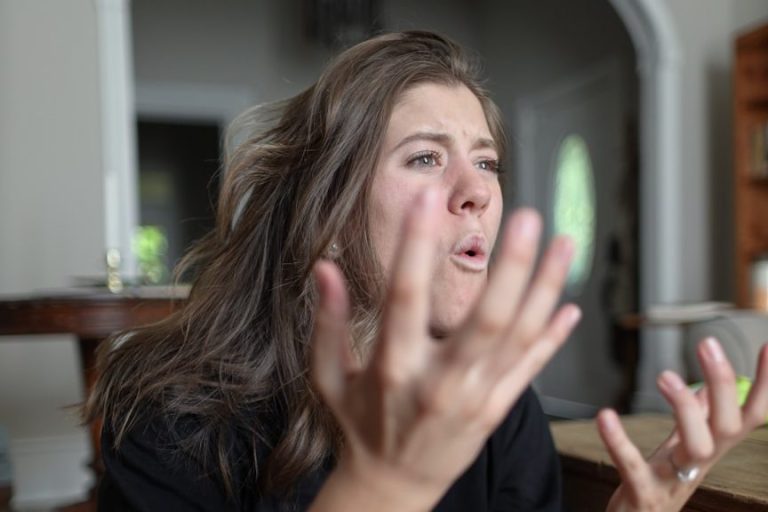
Noise, parking, boundaries, party walls, or shared spaces. Small issues can quickly escalate when communication breaks down. Mediation offers a neutral space to clarify concerns and reach practical agreements, helping neighbours coexist peacefully.

When to contact a mediator
Contact a mediator as soon as a conflict starts affecting relationships, communication, or daily life. Early intervention can prevent escalation, clarify misunderstandings and increase the chances of a practical resolution. Even if a dispute is heading to or already in court, mediation can still help parties reach agreements more quickly, reduce costs, and preserve relationships wherever possible.

What's
the process?
Check out the steps here.
It begins with a brief call to discuss the situation and explain how mediation works. Each participant then has a private meeting to speak openly and clarify concerns. Where needed, additional individual preparation can take place before a joint session, where both parties meet to work toward practical agreements. We follow-up after six weeks to check progress and close the process.

What if my neighbour won't agree to mediation
Mediation is a voluntary process, and we can send an Invitation to Mediation to your neighbour to start the conversation. While there is no obligation to respond, this provides a clear and structured way to begin addressing the issues. Even if only one party contacts us, our role remains completely impartial, guiding both sides fairly and professionally through the process.

FAQ's
Check out our frequently asked questions (FAQ's) for answers to more questions. If you don't find what you are looking for get in touch.